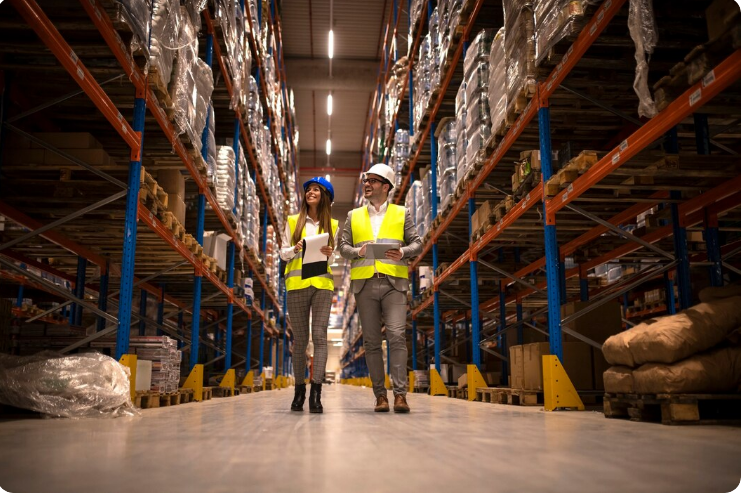
Every warehouse manager has felt it at some point — too much product, not enough space, and a team that needs to move fast to meet daily targets. If you have ever watched workers waste time hunting for a single pallet because nothing is organized or properly stored, you already understand why your storage infrastructure shapes everything that happens on the floor. It is not just a structural decision; it is an operational one, and it all starts with choosing the right warehouse racking solution before problems pile up.
Most warehouses are sitting on vertical space they never actually use. Instead of renting a second facility or rearranging things every peak season, a properly planned racking system lets you build upward and make every square foot count from floor to ceiling. When your racks are installed correctly and matched to the way your team works, pickers spend less time walking, searching, and doubling back, which directly cuts fulfillment time and reduces errors on every shift without adding any headcount.
Before committing to any system, it helps to think through your specific operation honestly. What types of products are you storing? How often do you need to reach them? Are you dealing with high-turnover inventory that needs constant access or slow-moving goods that sit for weeks? These questions matter because different rack types are built around completely different workflows, and picking the wrong one creates bottlenecks that no amount of effort from your team will fully fix. According to OSHA’s warehouse storage safety guidelines, inspecting and maintaining racking regularly, installing rack upright guards, and ensuring storage devices do not exceed their rated load capacity are all baseline requirements for keeping a warehouse environment safe and operational at all times.
Safety deserves just as much weight as efficiency in this decision. Overloaded racks, undersized frames, and poorly anchored structures are among the leading causes of warehouse accidents and the structural failures that follow. A properly designed racking layout keeps traffic moving, gives forklift operators the clearance they need, and reduces the risk of incidental rack contact that slowly compromises structural integrity over time. Getting the safety piece right from the start protects your people, your inventory, and your operation as a whole.
Scalability is another thing that often gets underestimated in the early planning stage. Your storage needs today may look completely different in two years as your product range expands or order volumes shift significantly. Modular racking designs protect your investment because they let you reconfigure or expand without tearing everything out and starting over from scratch. According to a SupplyChainBrain guide on warehouse optimization tips for manufacturers, taking advantage of vertical space with the right racking increases storage capacity without adding any square footage, and organizing your floor layout around order picking so that your fastest-moving inventory is always the easiest to access is one of the highest-impact changes any warehouse operation can make.
The day-to-day impact is real and measurable in ways that show up directly on your bottom line. When your racks are the right size, clearly labeled, and positioned to support your natural pick flow, workers spend more time moving product and less time figuring out where things are. Everything runs cleaner, faster, and with fewer mistakes on every single order throughout the day.