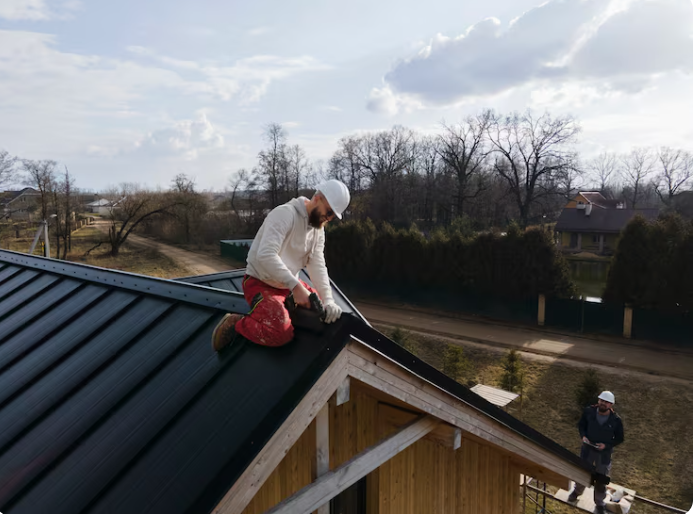
Severe weather can put considerable stress on a residential roof. Strong winds, hail, heavy rain, snow, and flying debris may damage shingles, flashing, gutters, vents, and other roofing components. Some problems are immediately visible, while others may remain unnoticed until water begins entering the home.
For homeowners dealing with storm-related roofing problems, arranging professional roof repair Salt Lake City services can help identify the extent of the damage and determine whether localized repairs or more extensive work may be necessary. Knowing what to do immediately after a storm can also help homeowners protect their property and avoid unnecessary complications.
Inspect Your Property From a Safe Location
After a major storm, it can be tempting to climb onto the roof and inspect the damage personally. This can be dangerous, particularly when surfaces are wet, icy, unstable, or covered with debris.
Instead, begin with a visual inspection from the ground.
Look for obvious signs such as missing shingles, displaced roofing materials, damaged gutters, fallen branches, or debris around the property. Binoculars or a camera with zoom can sometimes provide a better view without requiring access to the roof.
If significant damage is suspected, a qualified roofing professional can perform a closer inspection.
Check Inside the House
Not all storm damage is visible from outside.
Inspect ceilings, walls, and accessible attic areas for signs of moisture. Water stains, damp insulation, peeling paint, or unexplained dripping may indicate that the roofing system has been compromised.
Pay particular attention to areas around chimneys, vents, skylights, and roof penetrations because these locations depend heavily on properly installed flashing.
Even a small stain should not automatically be ignored. Water can sometimes travel through the roof structure before becoming visible inside the living space.
Understand Common Types of Storm Damage
Different weather conditions can create different roofing problems.
Strong winds may lift, loosen, or remove shingles. Hail can damage roofing surfaces and other exterior components. Heavy rain may expose weaknesses around flashing or previously deteriorated areas.
Falling branches and wind-driven debris can cause more obvious physical damage.
The type of damage matters because the appropriate repair will depend on what happened and which roofing components were affected.
Document Visible Damage
Before cleanup or permanent repairs begin, consider documenting the condition of the property.
Take photographs or videos of visible roof damage from safe locations. Also document damaged gutters, siding, windows, fences, or other affected areas when relevant.
Inside the house, photograph visible water stains or other storm-related damage.
Keeping records can be useful when discussing the situation with contractors and, where applicable, an insurance provider.
Prevent Additional Water Damage
If the storm has created an active leak, preventing additional interior damage becomes an immediate concern.
Move furniture, electronics, and valuable belongings away from affected areas when it is safe to do so. Containers may help collect dripping water temporarily.
More substantial temporary roof protection should generally be handled by someone with appropriate experience and safety equipment. Climbing onto a storm-damaged roof without proper precautions can create additional risks.
Schedule a Professional Roof Inspection
Some forms of roof damage can be difficult for an untrained homeowner to identify.
A professional inspection can examine shingles, flashing, roof penetrations, gutters, ventilation components, and other relevant areas. The contractor can then explain which problems appear storm-related and what repairs are recommended.
Ask for photographs or other documentation of significant findings when possible.
This makes it easier to understand why particular repairs have been proposed.
Determine Whether Repair or Replacement Is Appropriate
Storm damage does not automatically mean that an entire roof must be replaced.
If damage is limited to a relatively small area and the rest of the roofing system remains in suitable condition, targeted repairs may be possible.
More extensive damage can create a different situation. Roof age, material condition, the number of affected areas, underlying structural problems, and the availability of compatible replacement materials may all influence the appropriate solution.
A contractor should be able to explain why repair or replacement is being recommended.
Get a Written Estimate
Before authorizing permanent work, request a detailed written estimate.
The estimate should describe the areas being repaired, materials being used, labor, removal and disposal of damaged materials, and other significant costs.
It should also explain what happens if additional damage is discovered after work begins.
For example, deteriorated decking may not become visible until damaged roofing materials are removed. Establishing how such additional work will be priced and approved can reduce misunderstandings later.
Verify the Roofing Contractor
Storms can create an immediate demand for roofing services, and homeowners may receive unsolicited offers shortly afterward.
Take time to investigate contractors before signing agreements.
Check applicable licensing requirements, insurance coverage, business information, and experience with the type of roof installed on your property. References and independent customer feedback can provide additional context.
Be cautious about contractors who refuse to provide written documentation or pressure you to make an immediate decision.
Be Careful With Door-to-Door Offers
After significant storms, roofing companies may visit affected neighborhoods.
Door-to-door marketing does not automatically mean that a contractor is unreliable, but homeowners should independently verify any company before agreeing to work.
Avoid providing unnecessary personal or financial information before confirming who you are dealing with.
A legitimate roofing decision should allow enough time to understand the proposed work, price, and contractual terms.
Understand Your Insurance Coverage
Homeowners insurance may cover certain types of storm-related roof damage, but coverage depends on the individual policy and circumstances.
Contact your insurance provider if you believe the damage may be covered. Ask about reporting requirements, documentation, deductibles, inspections, and deadlines.
Do not assume that every type of roof damage will automatically qualify for coverage.
Normal wear, deterioration, maintenance issues, and storm damage may be treated differently depending on the policy.
Keep Important Records
Create a file containing information related to the storm and subsequent repairs.
This may include photographs, videos, inspection reports, estimates, contracts, invoices, receipts, insurance correspondence, and warranty information.
Good recordkeeping can be valuable if questions arise later about repairs, warranties, insurance claims, or additional damage.
Don’t Ignore Small Problems
A missing shingle or minor leak may not initially seem urgent, particularly if the rest of the roof appears intact.
However, small vulnerabilities can allow moisture to enter parts of the roofing system. Over time, unresolved water intrusion may affect insulation, decking, ceilings, or other building components.
Having suspected storm damage assessed promptly can help determine whether a relatively straightforward repair is appropriate.
Ask About Matching Existing Materials
When only part of a roof needs repair, matching the existing material may require consideration.
Shingles can change appearance over time because of sunlight and weather exposure. Older products may also have been discontinued.
Ask the roofing contractor whether compatible replacement materials are available and what the repaired area is likely to look like.
This is particularly relevant when appearance is an important consideration for the homeowner.
Check Gutters and Drainage Systems
Storm inspections should not focus exclusively on shingles.
Gutters and downspouts help direct water away from the building. Strong winds, hail, debris, or falling branches may damage these components or create blockages.
After a storm, check for detached sections, dents, overflowing water, and accumulated debris where safely visible.
Proper drainage remains an important part of protecting the roof and surrounding structure from water.
Review Flashing and Roof Penetrations
Some leaks originate around areas where the roof meets another structure or object.
Chimneys, skylights, vents, and other penetrations often rely on flashing and sealing systems to prevent water intrusion.
Storm conditions can damage or loosen these components. A professional inspection should therefore consider more than the main roofing surface.
Prepare for Future Storms
Once repairs have been completed, homeowners can consider steps that may reduce future problems.
Regular roof inspections can identify deterioration before severe weather exposes it. Keeping gutters clear, maintaining nearby trees, addressing loose roofing materials, and resolving small leaks promptly can all form part of routine roof maintenance.
Homeowners should also retain documentation about the roof’s age, materials, repairs, and warranties.
Final Thoughts
Storm damage can be stressful, but homeowners do not need to make rushed decisions. Start by checking the property from a safe location, documenting visible problems, protecting the interior from further water intrusion, and arranging an appropriate professional inspection.
When considering roof repair Salt Lake City, compare contractors carefully, request written estimates, verify credentials, understand the proposed materials, and review insurance requirements where applicable.
A systematic response after a storm can help homeowners understand the condition of their roof, address necessary repairs, and make informed decisions about protecting their property for the future.