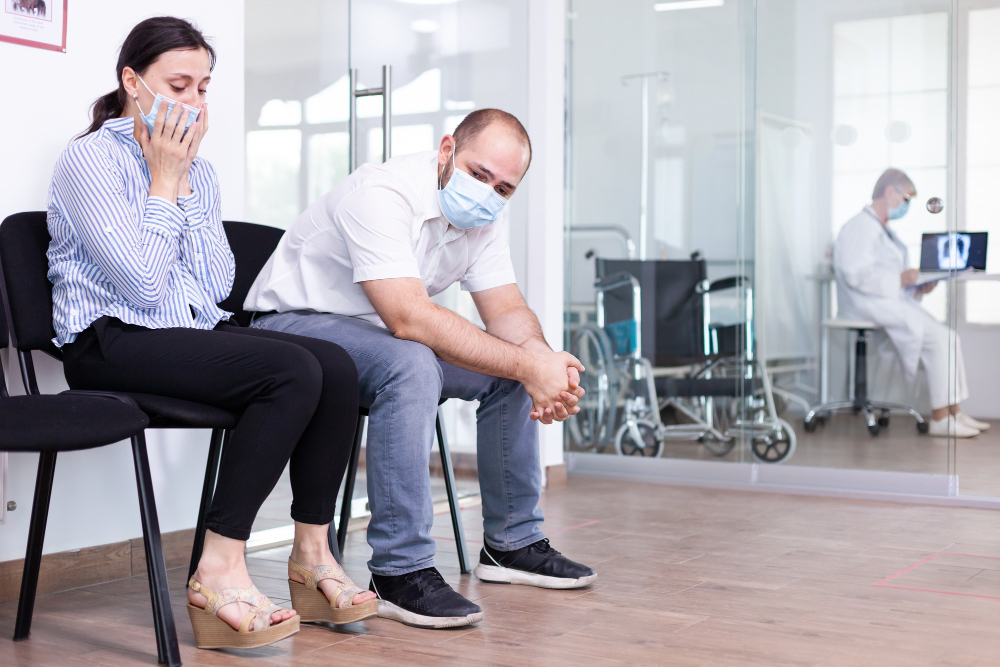
Before an injury, waiting rooms are usually a brief inconvenience—something passed through on the way to getting on with the day. After a personal injury, they often become a recurring setting. Medical offices, imaging centers, therapy clinics, and follow-up appointments can turn waiting rooms into familiar spaces that quietly shape daily life.
This experience is rarely talked about, yet it often comes up when people speak with a Personal Injury Lawyer to explain how much time and mental energy recovery actually requires.
Time Starts Being Spent Between Appointments
Recovery doesn’t just involve treatment—it involves waiting.
Injury victims may find themselves:
- Sitting between scheduled visits
- Arriving early due to mobility or paperwork needs
- Waiting for test results
- Waiting for the next step in care
Large portions of the week can revolve around being “in between.”
Waiting Feels Different When You’re Injured
Waiting while injured isn’t passive. It often involves discomfort, stiffness, or fatigue.
People may experience:
- Pain from sitting too long
- Difficulty finding a comfortable position
- Heightened awareness of the body
- Mental exhaustion before the appointment even begins
The act of waiting becomes physically demanding.
Familiarity With Medical Spaces Grows Quickly
Over time, waiting rooms stop feeling unfamiliar. Injury victims begin to recognize layouts, routines, and rhythms.
This familiarity can bring:
- A sense of routine
- Emotional heaviness
- Anxiety tied to past visits
- Fatigue from repetition
Medical spaces become part of everyday life rather than occasional stops.
Waiting Encourages Reflection—Sometimes Too Much
Quiet waiting periods leave room for thought. While reflection can be helpful, it can also amplify worry.
Common thoughts include:
- Questions about progress
- Concerns about long-term impact
- Replaying conversations with providers
- Comparing current status to earlier expectations
Waiting creates mental space that isn’t always restful.
Why This Experience Is Often Minimized
Waiting rooms don’t look dramatic from the outside. Sitting quietly doesn’t appear difficult.
Because of this:
- The time commitment is underestimated
- The emotional toll is overlooked
- The physical strain goes unnoticed
Yet these moments add up over weeks and months.
Scheduling Becomes a Constant Consideration
Appointments influence how days and weeks are structured.
This often leads to:
- Planning life around visit times
- Avoiding commitments near appointments
- Feeling days are fragmented
- Losing a sense of flow in the week
Life becomes divided into “before” and “after” appointments.
Why Time Spent Waiting Matters in Injury Cases
When someone consults a Personal Injury Lawyer, the frequency and impact of medical waiting help illustrate how deeply an injury disrupted normal life.
This time reflects:
- Loss of personal time
- Mental fatigue
- Disrupted routines
- Ongoing demands of recovery
It shows that recovery is not just treatment—it’s time.
Finding Ways to Reclaim Waiting Time
Many injury victims eventually develop coping strategies for these periods.
This might include:
- Bringing reading or listening material
- Practicing quiet breathing or grounding
- Using waiting time intentionally
- Accepting stillness rather than resisting it
These adaptations help reduce stress but don’t erase the burden.
Conclusion
A personal injury doesn’t just add appointments—it adds waiting. Hours spent in medical spaces become part of daily life, shaping routines, energy levels, and emotional well-being in subtle ways.