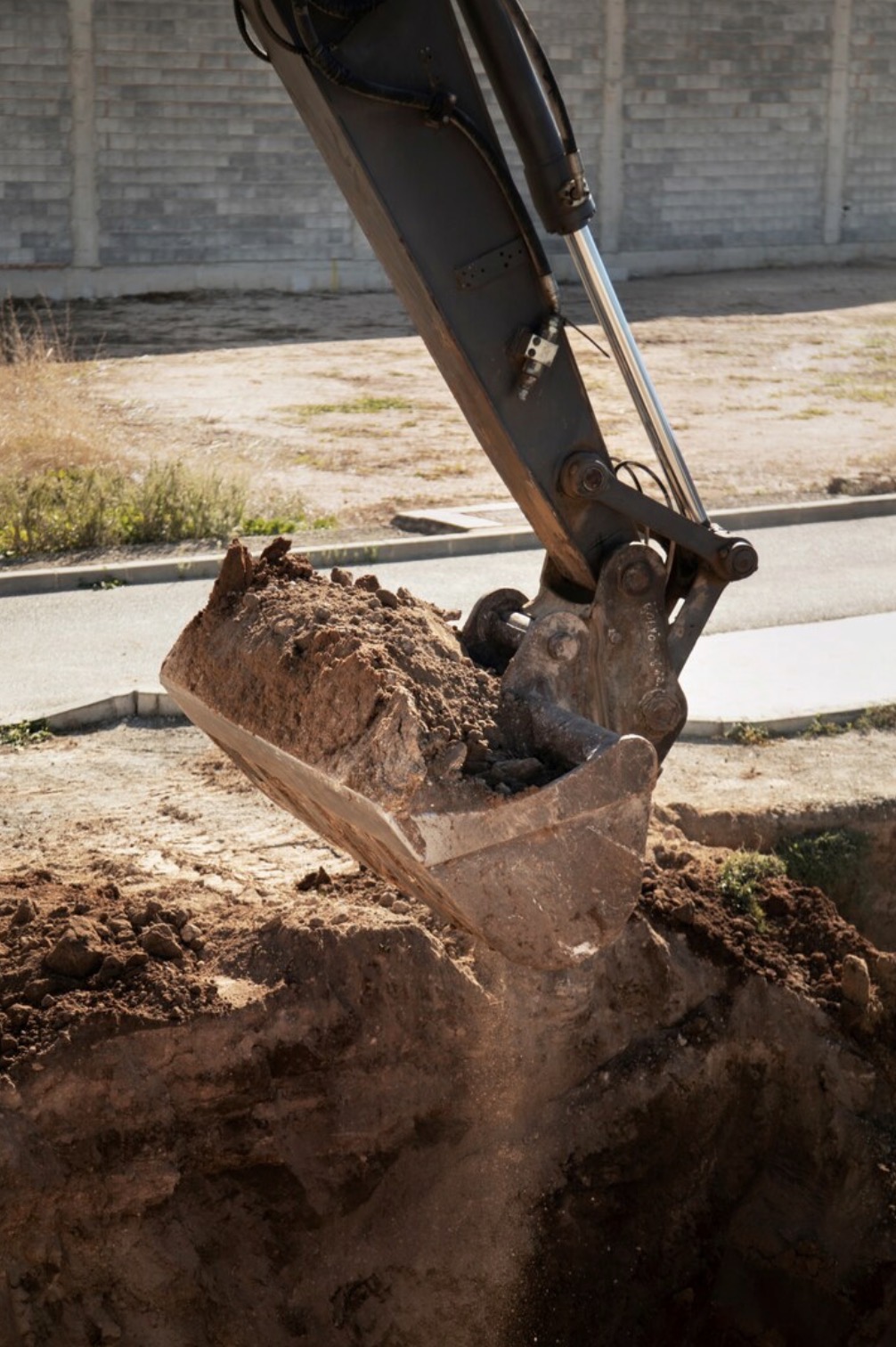
Most people get excited about the visible parts of construction—beautiful architecture, stunning landscapes, or impressive hardscaping. But before any of that happens, there’s crucial groundwork that determines whether your project succeeds or struggles. Working with an experienced excavating company ensures this foundational phase proceeds smoothly, safely, and correctly. The excavation stage sets everything in motion, and mistakes made underground create problems that echo throughout your entire project and beyond.
Site preparation involves much more than moving dirt. Professional excavators assess drainage patterns, identify underground utilities, evaluate soil conditions, and develop comprehensive plans before equipment arrives. They understand how water moves across your property during different weather conditions and plan grading that directs runoff appropriately. They coordinate utility locating services to mark buried lines—gas, electric, water, sewer, telecommunications, and cable. Striking these utilities causes dangerous situations, expensive repairs, and significant project delays.
Grading expertise separates professionals from amateurs. Proper grading ensures water flows away from buildings, prevents pooling in low spots, and creates stable bases for construction. Slopes must be calculated precisely—too steep and erosion becomes problematic, too shallow and drainage fails. Professionals use laser levels and GPS equipment to achieve exact grades specified in engineering plans. They compact soil in layers to prevent settling that would crack foundations, driveways, or patios later.
Different projects require different excavation approaches. Foundation excavation for homes demands precision to exact depths and dimensions. Pool excavation must account for shell thickness, plumbing locations, and backfill requirements. Trenching for utilities follows specific depth requirements and bedding specifications. Grading for landscaping creates artistic contours while maintaining proper drainage. Professional excavators adapt their methods to each project’s unique requirements.
Equipment selection matters tremendously for efficiency and results. Mini excavators access tight spaces where larger equipment can’t operate. Standard excavators handle most residential and light commercial work efficiently. Large excavators and bulldozers move massive amounts of material quickly on bigger projects. Dump trucks haul away excess soil or bring in quality fill material. Compaction equipment ensures soil density meets engineering specifications. Understanding construction equipment capabilities helps appreciate the complexity involved.
Soil management represents a significant project consideration. Excavated material might be reused on-site for grading or backfill, reducing costs and material hauling. Sometimes topsoil gets stripped and stockpiled separately for later use in landscaping. Other times all excavated material must be hauled away and new engineered fill brought in. Professional excavators evaluate soil quality and advise on the most cost-effective approach while meeting project requirements.
Underground surprises happen on virtually every excavation project. Old foundations, buried debris, unexpected rock formations, high water tables, or contaminated soil can appear without warning. Experienced excavators recognize these issues quickly and adapt their approach. They communicate problems clearly, explain impacts on timeline and budget, and propose solutions. This problem-solving ability prevents small issues from becoming project-stopping catastrophes.
Weather impacts excavation work significantly. Heavy rain turns excavation sites into muddy quagmires where equipment can’t operate safely or effectively. Frozen ground in winter becomes nearly impossible to excavate without specialized equipment. Professional contractors monitor weather forecasts, plan work during suitable conditions, and implement erosion control measures to protect sites during storms. They build realistic schedules that account for seasonal weather patterns in your area.
Permit compliance protects you from legal problems and project delays. Most excavation work requires permits from local building departments. Some projects need additional approvals from environmental agencies, especially when working near wetlands, streams, or steep slopes. Professional excavating companies understand permit requirements, prepare necessary documentation, and schedule required inspections. They also maintain required bonds and insurance that protect you from liability.
Site cleanup and restoration often gets overlooked in project planning but matters tremendously. Professional excavators don’t just dig holes and drive away. They grade surrounding areas to blend with existing terrain, remove construction debris, repair any damage to adjacent properties, and leave your site ready for the next construction phase. They understand that their work reflects on your property and take pride in thorough completion. Reviewing construction site safety practices highlights why professional standards matter.
Budget and timeline accuracy depend heavily on excavation expertise. Inexperienced contractors frequently underestimate project scope, leading to cost overruns and delays. They may lack proper insurance, creating liability exposure. They might own inadequate equipment or lack skilled operators. These problems cascade through your entire project. Professional excavating companies provide detailed estimates, maintain schedules, and deliver results that allow subsequent construction phases to proceed without delays or surprises.
The excavation phase might not be glamorous, but it’s absolutely fundamental to project success. Investing in experienced professionals during this critical stage pays dividends throughout construction and for decades afterward through stable, properly draining, problem-free results.