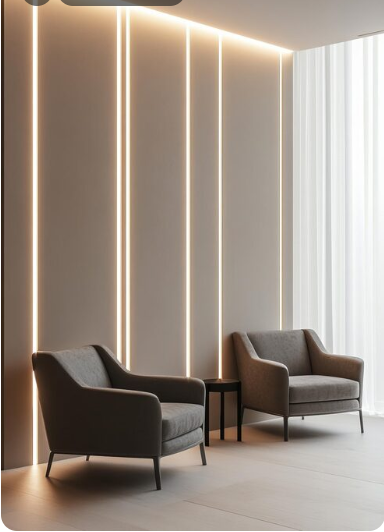
Linear lighting is a modern lighting solution designed to provide continuous and evenly distributed illumination throughout a space. Unlike traditional fixtures that emit light from a single point, linear systems create a clean line of light that enhances both functionality and architectural appearance. With the widespread adoption of LED technology, linear lighting has become a preferred choice for residential, commercial, and industrial environments where efficiency and visual appeal are equally important.
The Development of Linear Lighting
The concept of linear lighting has been around for several decades. Early systems primarily relied on fluorescent technology, which was commonly installed in factories, warehouses, and other industrial facilities where broad and consistent illumination was required.
Although fluorescent fixtures improved lighting performance compared to earlier solutions, their limited length often created visible gaps between fixtures. These interruptions affected both the appearance of the installation and the uniformity of the light output.
The introduction of LED technology transformed the industry. Longer fixture designs, improved energy efficiency, and greater installation flexibility allowed linear lighting systems to produce seamless lines of illumination while meeting modern architectural requirements.
Different Types of Linear Lighting
Linear lighting systems are available in several installation styles, allowing designers to choose the most suitable option for each project.
Surface-Mounted Linear Lighting
Surface-mounted fixtures are attached directly to the ceiling or wall without requiring structural modifications. They offer a practical installation process while giving interiors a clean and contemporary appearance.
Recessed Linear Lighting
Recessed systems are integrated into suspended or plasterboard ceilings, leaving only the illuminated section visible. This creates a minimalist design that blends naturally with modern architectural concepts.
Suspended Linear Lighting
Suspended fixtures are installed using cables or suspension rods that lower the lighting below the ceiling. They are especially suitable for buildings with high ceilings, providing effective illumination while becoming an attractive design feature.
Track Linear Lighting
Track-mounted linear lighting combines LED fixtures with adjustable rail systems. This solution allows the lighting position to be modified whenever needed, making it particularly useful for retail stores, galleries, and exhibition spaces where lighting layouts frequently change.
Common Applications of Linear Lighting
The flexibility of linear lighting makes it suitable for a wide variety of indoor environments. It is frequently installed in offices, homes, kitchens, shopping centers, schools, hotels, restaurants, hospitals, showrooms, and industrial facilities.
Each environment has different lighting requirements. The ceiling structure, room dimensions, intended use, and interior design all influence which type of linear lighting system provides the most effective solution. Selecting the appropriate installation method helps achieve both optimal illumination and visual harmony.
Advantages of Linear Lighting
Linear lighting offers numerous practical and aesthetic benefits that contribute to its growing popularity.
Some of its key advantages include:
Provides smooth and uniform light distribution throughout the space.
Creates a modern and elegant architectural appearance.
Consumes less electricity thanks to energy-efficient LED technology.
Requires relatively little maintenance because of the long lifespan of LED fixtures.
Can be adapted to both compact interiors and large commercial spaces.
Supports customized lighting designs that complement different architectural styles.
These advantages make linear lighting an effective solution for projects where both performance and aesthetics are important.
How to Choose the Right Linear Lighting System
Selecting the right linear lighting system requires evaluating several important factors before installation begins.
The dimensions of the installation area should be measured carefully to determine the appropriate fixture length, quantity, and placement. Proper planning ensures balanced illumination across the entire space without creating dark or excessively bright areas.
Light color is another essential consideration. Warm, neutral, or cool white lighting should be selected according to the intended atmosphere and the function of the environment. Choosing the correct color temperature helps improve visual comfort while supporting the overall interior design.
In addition to appearance, attention should also be given to product quality, durability, energy efficiency, and expected service life. Investing in reliable materials and professionally manufactured fixtures ensures long-term performance while reducing future maintenance requirements.
Maintenance and Lifespan of Linear Lighting
One of the reasons linear lighting has become increasingly popular is its long operational lifespan and minimal maintenance requirements. LED-based linear fixtures are designed to perform consistently for many years while consuming significantly less energy than conventional lighting technologies. However, achieving maximum performance depends not only on the quality of the fixture but also on proper installation and suitable operating conditions.
Regular inspections help ensure that connections remain secure and the lighting system continues to operate efficiently. In commercial and industrial environments where lighting is used for extended periods each day, selecting high-quality components can reduce maintenance costs and minimize downtime. Investing in durable linear lighting systems provides long-term value by improving reliability while lowering replacement frequency.
The Role of Linear Lighting in Modern Architecture
Lighting has become an essential element of architectural design rather than simply a functional necessity. Linear lighting enables architects and interior designers to highlight structural details, define spaces, and create visually balanced environments. Whether integrated into ceilings, walls, staircases, or corridors, these lighting systems contribute to a clean and contemporary appearance.
The versatility of linear lighting allows it to complement a wide range of architectural styles, from minimalist residential interiors to sophisticated commercial buildings. Continuous lines of illumination create a sense of depth and direction, making spaces appear more open, organized, and inviting.
Why Businesses Prefer Linear Lighting Solutions
Many businesses choose linear lighting because it combines aesthetics with operational efficiency. Offices benefit from uniform illumination that improves employee comfort and productivity, while retail stores use linear fixtures to create attractive product displays and enhance the customer experience.
In industrial facilities, consistent lighting helps improve workplace visibility and supports safer working conditions. Educational institutions, healthcare facilities, hotels, and public buildings also benefit from the flexibility and energy efficiency offered by modern linear lighting systems. As organizations continue to prioritize sustainability and lower operating costs, LED linear lighting remains one of the most practical and future-ready lighting solutions available today.
Linear lighting has become an essential solution for creating efficient, comfortable, and visually appealing environments. By combining energy-saving LED technology with flexible installation options and modern design, it meets the needs of both residential and commercial spaces. Choosing high-quality linear lighting ensures reliable performance, long-term durability, and lighting solutions that continue to enhance interiors for years to come.